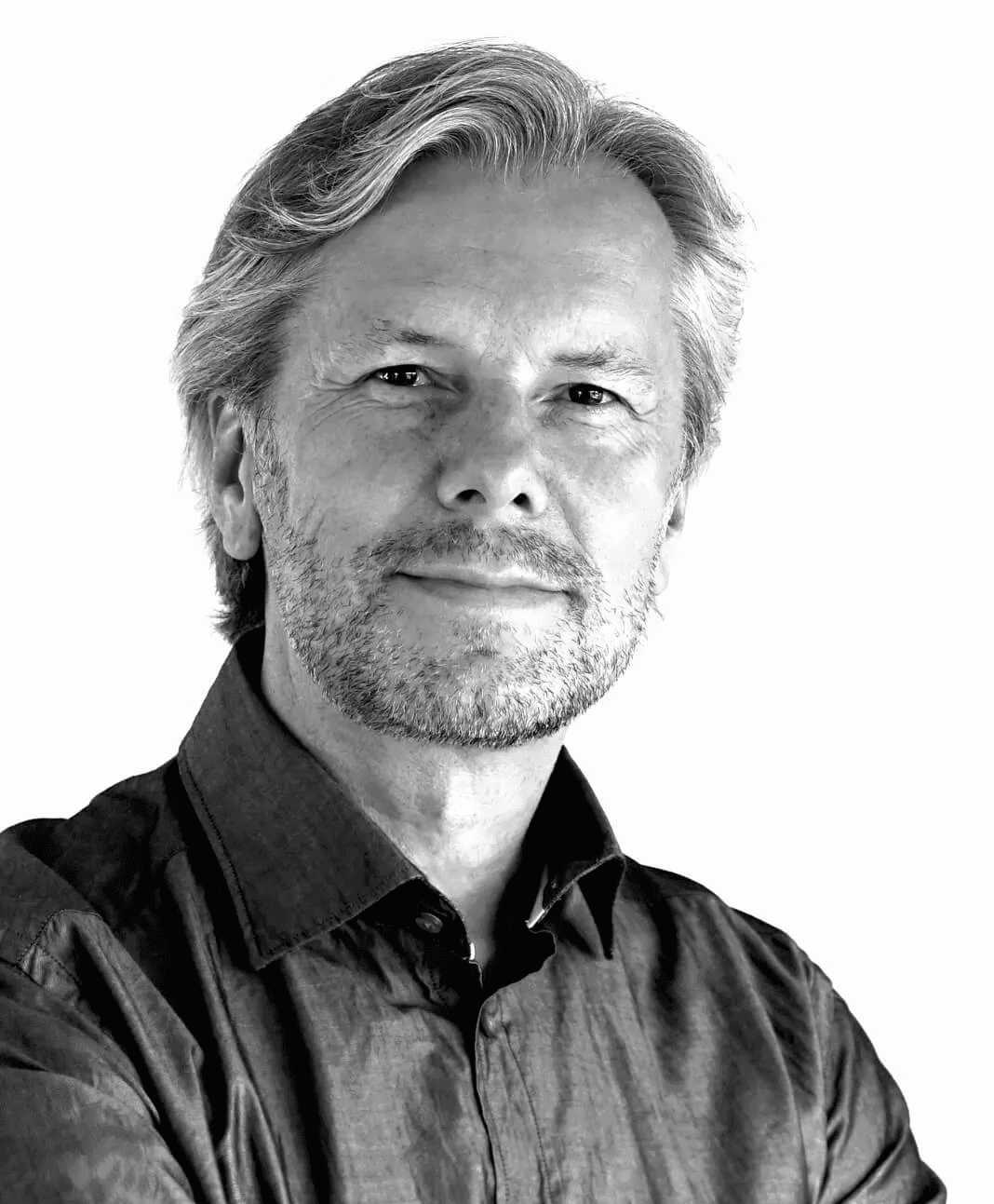
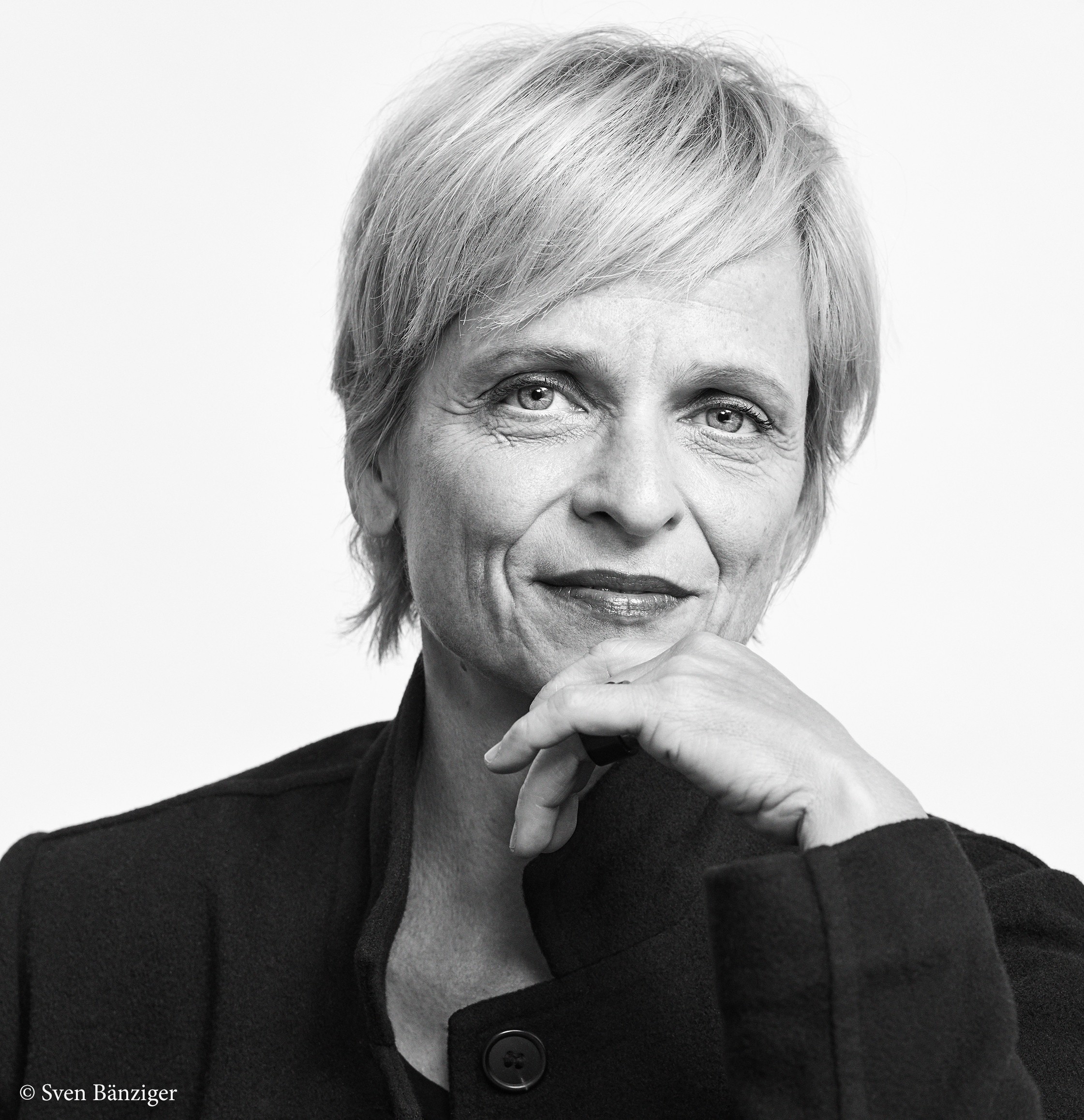
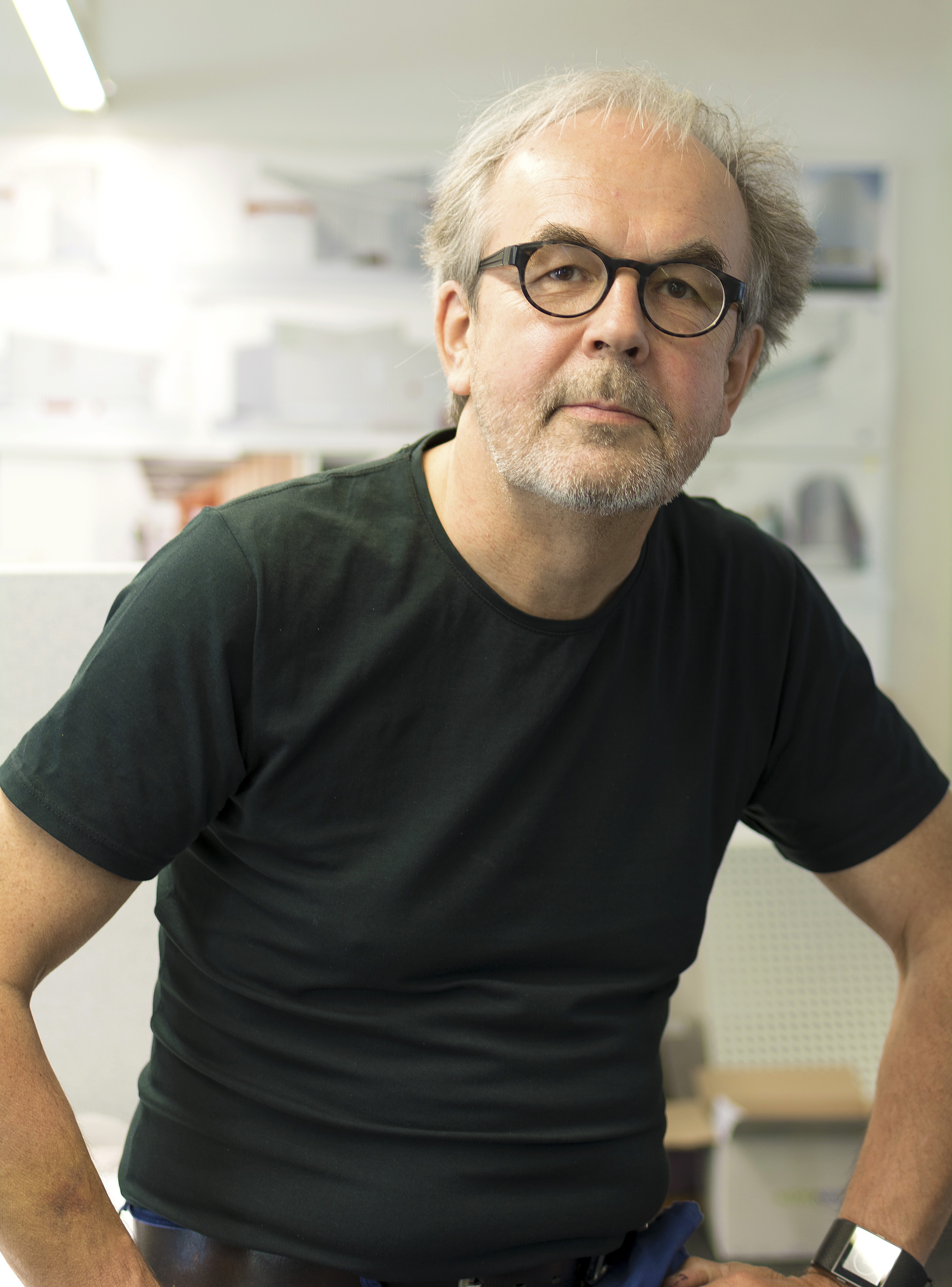
Speakers (2019–2025)

MVRDV

Snøhetta

LAVA

MECANOO

Anna Heringer


Speakers (2019–2025)

MVRDV

Snøhetta

LAVA

MECANOO

Anna Heringer

Anupama Kundoo

David Basulto

Thomas Auer

Hadi Teherani

Thomas Schroepfer

Roger Riewe


Anupama Kundoo

David Basulto

Thomas Auer

Hadi Teherani

Thomas Schroepfer

Roger Riewe


Architecture in Foyer
Join Academia

Architecture in Foyer Join's Academia

Architecture in Foyer is a recurring event associated with the Design Educates Awards - an international initiative launched by the LAKA Foundation. In 2025, in collaboration with the Faculty of Architecture at the Warsaw University of Technology, the event was expanded into a full-scale conference aimed at showcasing design as a tool for education and the transfer of innovation.


The event lasts two days and consists of two parts: an international conference and the Design Educates Awards Ceremony.


Day 1 - Conference


The conference program includes lectures, case studies, and discussions on the relationship between design processes and the development of education. In light of the dynamic changes taking place in contemporary universities, we aim to demonstrate how architecture uses design to build knowledge and develop new models of education. The aim of the conference is to create conditions for critical reflection on new, integrated design paradigms and their impact on the future of architectural innovation. We pay particular attention to the relationships between material, production processes, and architectural form, emphasizing the transition from linear design models to iterative methods in which design and production co-create a single coherent process. The conference focuses on the role of digital tools - such as computer modeling, simulations, and fabrication technologies - in shaping the contemporary architect’s work environment. In this context, architecture ceases to be merely a form and becomes also a system, an algorithm, and a process. The conference will feature guest lectures, presentations of submitted papers, a poster session, and an open-access conference publication.


Day 2 – Design Educates Awards Ceremony


An integral part of the event is the Design Educates Awards - a prestigious competition promoting projects with educational value. Here, design is understood as an interdisciplinary tool that teaches decision-making in complex situations, enables the anticipation of consequences, and influences quality of life and the shaping of social attitudes. The event is accompanied by an annual exhibition and a publication documenting the award-winning projects, serving as a record of current trends in architecture and design. Architecture in Foyer is a space where science, practice, and education meet - a place for dialogue where design becomes a tool for building knowledge, exchanging experiences, and jointly shaping the future of architecture.

The conference will be held in English

Conference

Material - Fabrication - Design:

Integrated Pathways For Digital Innovation


Thematic Areas:


·Materiał Intelligence - materials as systems, active material, biomaterials, simulations

·Digital Fabrication & Robotics - manufacturing, technologies, automation, robotics

·Computational Design - algorithms, generative approaches, AI in design

·Design-to-Production Workflows - BIM, data integration, integrated processes

·Theory & Critical Perspectives - epistemology of digital design, aesthetics, authorship

·Sustainability & Performance - optimization, material efficiency, circularity

·Research by Design / Prototyping - experiments, installations, research projects


Theses:


1. In the era of a mature Digital Paradigm, sequential design workflows are being superseded by aggregative explorations. In this shift, design, material and fabrication, coupled with social context, emerge as co-constitutive elements of the architecture project.


2. Advanced computational design, underpinned by integrated compound models, dissolves the boundaries between design intent and physical realization, consequently fostering the emergence of new formal languages.


3. Materiality functions as an active design parameter. Through digital representation, evaluative modeling, simulation and performative analysis, material in so longer relegated to a mere carrier of form but becomes a primary agent in the generative process.

4. The transdisciplinary nature od contemporary design models necessitates a rigorous redefinition of the roles of the author, the tool, methodology, pedagogy and architectural theory - especially in light od the current AI paradigm shift.

5. The digital transformation of architecture transcends purely formal, technological or aesthetic dimensions; it drives performative outcomes that address both cultural significance and systemic sustainability.


Material -

Fabrication -

Design:

Integrated Pathways For Digital Innovation


Thematic Areas:


·Materiał Intelligence - materials as systems, active material, biomaterials, simulations

·Digital Fabrication & Robotics - manufacturing, technologies, automation, robotics

·Computational Design - algorithms, generative approaches, AI in design

·Design-to-Production Workflows - BIM, data integration, integrated processes

·Theory & Critical Perspectives - epistemology of digital design, aesthetics, authorship

·Sustainability & Performance - optimization, material efficiency, circularity

·Research by Design / Prototyping - experiments, installations, research projects


Theses:


1. In the era of a mature Digital Paradigm, sequential design workflows are being superseded by aggregative explorations. In this shift, design, material and fabrication, coupled with social context, emerge as co-constitutive elements of the architecture project.


2. Advanced computational design, underpinned by integrated compound models, dissolves the boundaries between design intent and physical realization, consequently fostering the emergence of new formal languages.


3. Materiality functions as an active design parameter. Through digital representation, evaluative modeling, simulation and performative analysis, material in so longer relegated to a mere carrier of form but becomes a primary agent in the generative process.

4. The transdisciplinary nature od contemporary design models necessitates a rigorous redefinition of the roles of the author, the tool, methodology, pedagogy and architectural theory - especially in light od the current AI paradigm shift.

5. The digital transformation of architecture transcends purely formal, technological or aesthetic dimensions; it drives performative outcomes that address both cultural significance and systemic sustainability.


Conference

Material -

Fabrication -

Design:

Integrated Pathways For Digital Innovation


Thematic Areas:


·Materiał Intelligence - materials as systems, active material, biomaterials, simulations

·Digital Fabrication & Robotics - manufacturing, technologies, automation, robotics

·Computational Design - algorithms, generative approaches, AI in design

·Design-to-Production Workflows - BIM, data integration, integrated processes

·Theory & Critical Perspectives - epistemology of digital design, aesthetics, authorship

·Sustainability & Performance - optimization, material efficiency, circularity

·Research by Design / Prototyping - experiments, installations, research projects


Theses:


1. In the era of a mature Digital Paradigm, sequential design workflows are being superseded by aggregative explorations. In this shift, design, material and fabrication, coupled with social context, emerge as co-constitutive elements of the architecture project.


2. Advanced computational design, underpinned by integrated compound models, dissolves the boundaries between design intent and physical realization, consequently fostering the emergence of new formal languages.


3. Materiality functions as an active design parameter. Through digital representation, evaluative modeling, simulation and performative analysis, material in so longer relegated to a mere carrier of form but becomes a primary agent in the generative process.

4. The transdisciplinary nature od contemporary design models necessitates a rigorous redefinition of the roles of the author, the tool, methodology, pedagogy and architectural theory - especially in light od the current AI paradigm shift.

5. The digital transformation of architecture transcends purely formal, technological or aesthetic dimensions; it drives performative outcomes that address both cultural significance and systemic sustainability.


DE Awards

Thesis:


Architecture and design are not merely tools for solving functional problems - they are also mediums of education. By embedding meaning, narrative, and awareness into built environments, designers can foster learning, reflection, and responsible action in society. The conference aims to redefine the role of design in shaping both physical space and cultural consciousness.


Goals:


1. Explore the educational potential of architecture and design. Highlight how architectural works and design solutions can communicate knowledge, values, and social messages beyond their functional roles.

2. Bridge practice and academia in design education. Foster dialogue between architects, designers, educators, and researchers to redefine design’s role in contemporary education and knowledge dissemination.

3. Promote design that educates. Showcase and critically reflect on projects that go beyond aesthetics and utility to foster awareness, responsibility, and engagement in social, environmental, or cultural issues.

4. Encourage interdisciplinary approaches. Open a platform for cross-disciplinary collaboration and integration of education, architecture, and innovation in shaping sustainable and inclusive environments.

5. Highlight award-winning examples. Present and discuss the outcomes of the DesignEducates Awards as case studies of best practices in educational design thinking.

Keynote Speakers

Prof. Barbara Holzer

Barbara Holzer is a Swiss-born architect and exhibition designer, based in Berlin and Zurich. She is a co-founder of Holzer-Kobler Architekturen and professor of design at Peter Behrens School of Arts in Dusseldorf.

Prof. Barbara Holzer studied architecture at the Swiss Federal Institute of Technology (ETH) in Zurich. After graduation in 1991, she moved to Berlin, where she spent several years working as a freelancer. Barbara Holzer gained experience in studios like Daniel Libeskind's where she was responsible for projects like in Osnabrück. Since 2004 Barbara Holzer is a co-founder of Architekturen which she started together with Tristan Kobler. The first location of their studio was placed in Zurich, then after 8 years, they opened the second branch in Berlin. Besides architecture and urban design projects, the two studios organize temporary and permanent exhibitions in the field of art, society and contemporary history. Currently not only is Prof. Barbara Holzer a professor at the Peter Berens School of Architecture in Dusseldorf, but also a member of the jury of the competition for the Munich Olympics Memorial.

Her current projects and exhibitions include e.g. permanent exhibition of Buchenwald Memorial, which was opened in 2016, and scenography design for the new Bauhaus Museum in Weimar which was created for the occasion of the 100 years jubilee.

Prof. Rainer Mahlamäki

Professor Emeritus, University of Oulu (Finland), Partner & Co-Founder, Lahdelma & Mahlamäki architects, Architect SAFA.

Professor Rainer Mahlamäki’s representative designs are a product of his belief in the importance of understanding each commission’s backstory. He strives to understand the people he designs for, the landscape he is altering, and the history he is representing. Whether museums or homes, his designs are rooted in a deep understanding and speak for themselves.
His best-known works include, e.g., the Museum of the History of Polish Jews in Warsaw, Poland, and the Finnish Forest Museum Lusto in Punkaharju, Finland. He is currently working on the Żurawie mixed-use block in Gdańsk, Poland, and the Lost Shtetl Jewish Museum in Šeduva, Lithuania, to name but a few.
Aside from his projects, Rainer Mahlamäki frequently acts as a juror for high-profile international architecture competitions. His pioneering achievements have been recognized with, e.g., the prestigious Prince Eugen Medal conferred by the King of Sweden for outstanding artistic achievement.
Rainer Mahlamäki founded Lahdelma & Mahlamäki architects together with Ilmari Lahdelma in 1997. Their collaborations began well before this, with the founding of the architecture collective 8 Studio in 1986, and architecture office Kaira- Lahdelma-Mahlamäki in 1992.
Rainer Mahlamäki has been ever-present within Finland’s education and architecture institutions. He is Professor Emeritus of Contemporary Architecture at the University of Oulu, chaired the Board of the Museum of Finnish Architecture from 2002 to 2006 and was President of Finnish Association of Architects from 2007 to 2011.

Jury (2019–2024)

Toyo Ito
Claudia Pasquero

Winy Maas

Ben van Berkel
David Basulto
Farshid Moussavi

Barbara Holzer
Anna Herinnger
Jakob Lange

Rainer Mahlamaki

Thomas Schroepfer
Alison Brooks
Jurgen Mayer H
Achim Menges

Jury (2019–2024)

Toyo Ito
Claudia Pasquero

Winy Maas

Ben van Berkel
David Basulto
Farshid Moussavi

Barbara Holzer
Anna Herinnger
Jakob Lange

Rainer Mahlamaki

Thomas Schroepfer
Alison Brooks
Jurgen Mayer H
Achim Menges

Design Educates Awards


Design is an educational tool on the scale of interdisciplinary environments and entire societies. It cultivates the ability to make rational decisions in situations involving multiple, often conflicting criteria. It allows the creation of models for the future impacts of the changes we make to the environment. Through direct contact between users and works, it influences quality of life and the shaping of aesthetic attitudes.


The Design Educates Awards (DEAwards) is a prestigious international competition organized by the Polish LAKA Foundation, promoting projects that deliver educational value through design.


Design is an educational tool on the scale of interdisciplinary environments and entire societies. It cultivates the ability to make rational decisions in situations involving multiple, often conflicting criteria. It allows the creation of models for the future impacts of the changes we make to the environment. Through direct contact between users and works, it influences quality of life and the shaping of aesthetic attitudes.


The Design Educates Awards (DEAwards) is a prestigious international competition organized by the Polish LAKA Foundation, promoting projects that deliver educational value through design.


The strength of our competition lies in the fact that among the laureates one can find both newcomers and icons of world architecture - such as Norman Foster, Renzo Piano, BIG, Calatrava, and Diller.

-Peter Kuczia
initiator and curator of DEAwards

Highlights from the 2025 Conference & Ceremony

Highlights from the 2025
Conference & Ceremony

Inspiring Yearbook 2025

Each year, a beautifully printed Design Educates Awards Yearbook is published, showcasing the winning projects along with insightful commentary from a panel of esteemed jurors. The publication also features handwritten reflections from internationally renowned architects and thought-provoking articles exploring themes aligned with the competition's core idea: Design Educates.The richly illustrated layout is designed by Bartek Witkowski, an award-winning graphic designer, whose work gives the yearbook its distinctive and elegant character.All current laureates receive a complimentary copy of the yearbook. Additionally, attendees of the Design Educates Conference have the opportunity to receive a free copy after the awards ceremony – while supplies last.

Last edition's yearbooks:
2020, 2021, 2022, 2023, 2024

Showcasing innovations
from around the world

Exhibition, recognizing outstanding architecture and design projects with educational and social impact, will be presented this year during the AiF Warsaw event in Warsaw, Poland. The awards gather participants from around 30 countries across 5 continents, highlighting the global reach and diversity of the competition. This prestigious international exhibition showcases projects that combine excellent design with educational value, storytelling, and the ability to influence behavior and perception. The event connects a worldwide creative community focused on meaningful design that educates and inspires.


Join Architecture in Foyer

15-16 October 2026, Warsaw University of Technology, Poland

Register

Organizer:

Strategic Partner:

DEAwards Organizer:

Architecture in Foyer Warsaw
hello@designeducates.com I cookies & privacy policy

photos: Krzysztof Koszewski


AiF Warsaw © 2025

Sponsors:

Media Partners:

Partner Studios:

Discover Warsaw’s Architecture

Explore 15 of Warsaw’s top architectural attractions during the Architektur in Foyer event.

From the iconic Palace of Culture and Science and the charming Old Town to modern landmarks like Museum of the History of Polish Jews and Museum of Modern Art, this tour showcases the city’s blend of history and contemporary design.

Download the brochure with all 15 highlights at the link below and enjoy your Warsaw architectural adventure!

Organizer:

Strategic Partner:

Sponsors:

Media Partners:

Partner Studios:

DEAwards Organizer:

Discover Warsaw’s Architecture

Explore 15 of Warsaw’s top architectural attractions during the Architektur in Foyer event.

From the iconic Palace of Culture and Science and the charming Old Town to modern landmarks like Museum of the History of Polish Jews and Museum of Modern Art, this tour showcases the city’s blend of history and contemporary design.

Download the brochure with all 15 highlights at the link below and enjoy your Warsaw architectural adventure!

Architecture in Foyer Warsaw
hello@designeducates.com I cookies & privacy policy

photos: Krzysztof Koszewski


AiF Warsaw © 2026,